INTEGRATED CONTROL SYSTEMS
Modernizing Water Distribution:
Cost-Effective SCADA and PLC Solutions for Smart Water Infrastructure

At Integrated Control Systems, we specialize in Smart Automated Water Supply & Distribution systems with SCADA & PLC for Commercial and residential complexes, to optimize water usage, reduce costs & enhance reliability mainly with economical & competitive budgeted solutions.
With years of experience in the Automation field we are well equipped to handle the complexities of this field & have successfully handled & completed many such projects.

Key Components & Technologies:
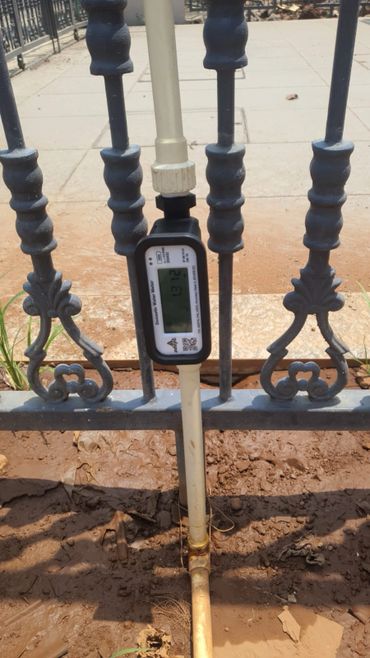
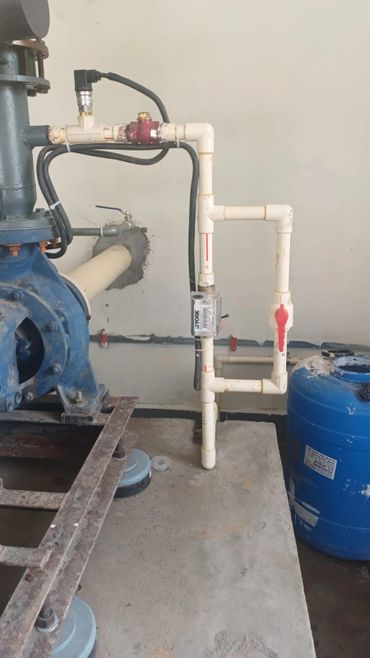
Water Level Indicators / Sensors:
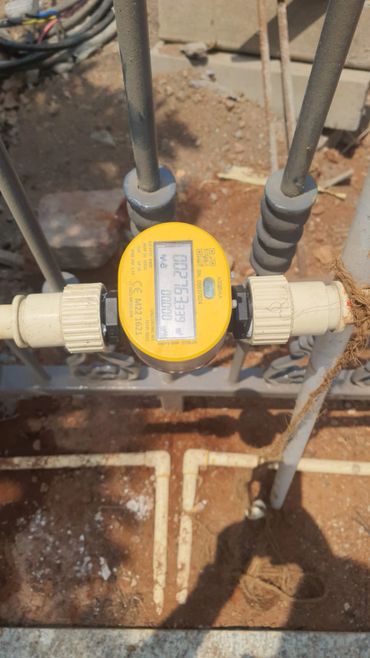
These devices measure water levels, flow rates, pressure, and quality parameters.
PLCs (Programmable Logic Controllers) & Controllers:
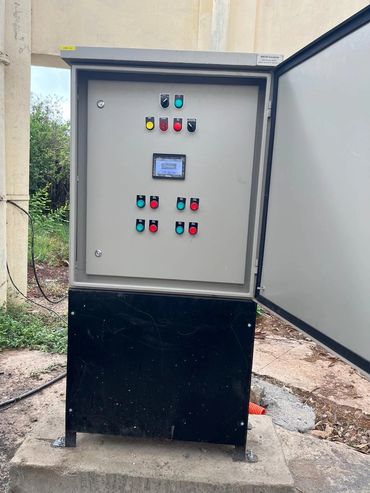
These act as the "brains" of the system, processing data from sensors and sending commands to actuators.
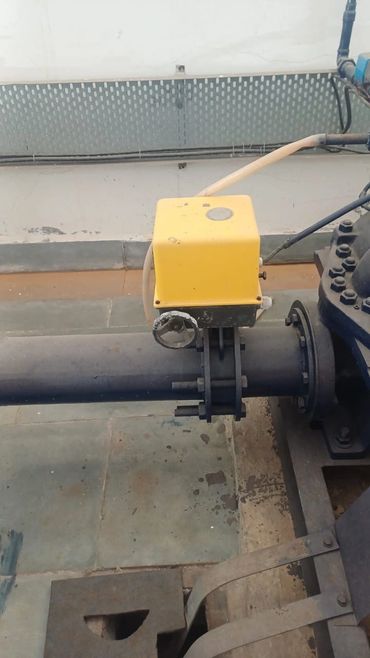
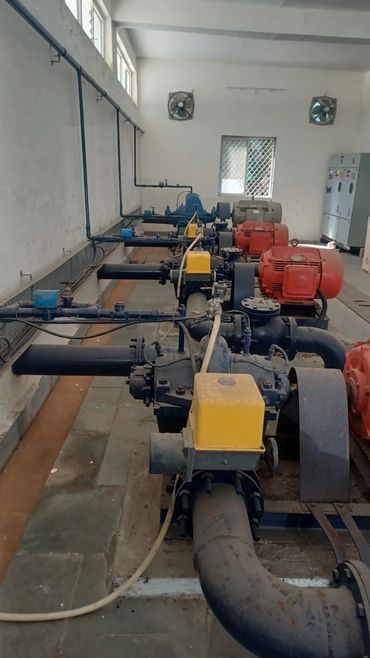
Actuators (Pumps, Valves):
These components receive commands from controllers to adjust water flow and pressure.
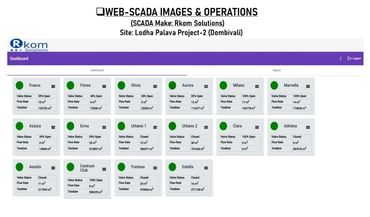
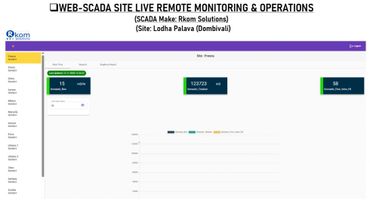
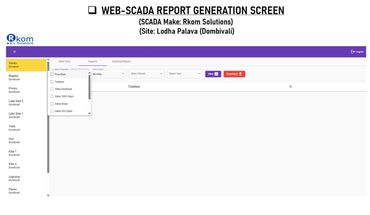
SCADA Systems / HMI:
These systems provide a central platform for remote monitoring, control, and data visualization, often using human-machine interfaces (HMIs).
IoT Devices:
The Internet of Things connects sensors and other devices, enabling broader system integration and data collection.

Monitoring:
Sensors continuously collect data on various parameters within the water system.
Control:
A central controller (like a PLC) receives this data, analyzes it against predefined setpoints, and determines the necessary adjustments.
• Actuation:
The controller sends signals to pumps and valves to change water flow, pressure, or levels to meet demand and maintain quality. • Feedback:
The system uses a feedback principle, continuously measuring the results of its actions and making further adjustments as needed.





We love our customers, so feel free to visit or call during normal business hours.
221, Krishna nagar, Dr Ambedkar Road, Parel, Mumbai 400012, Damodar Hall, Mumbai, MH 400012
Managing Proprietors: Mr. Rahul Khare - +91 8454011488 Mr. Rohan Khare - +91 9819911588 Email: integratedcontrolsystems8@gmail.com